Auto China 2026: Intelligent Vehicles, Flash Charging, and the Rise of Domestic Tech
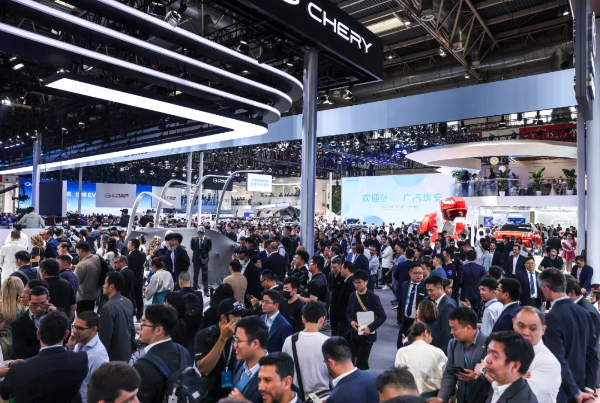
Walk the floor at the 2026 Beijing International Automotive Exhibition (Auto China 2026) and one thing becomes immediately clear: this is no longer a car show. It is a technology summit where vehicles happen to be the exhibits.
Held from April 24 to May 3 across the Chinese capital under the theme “Leading the Era, Intelligent Future,” Auto China 2026 was the largest automotive event on record by sheer footprint. The show covered 380,000 square meters, drew more than 2,000 enterprises from 21 countries, put over 1,451 vehicles on display, and delivered 181 world premieres, including 71 concept cars. Perhaps the most telling number of all: roughly 1,160 of those vehicles were New Energy Vehicles, accounting for more than 80 percent of everything shown. The combustion-era automobile, at least in China, is rapidly becoming a rounding error.
From Transportation Device to Digital Ecosystem
The most consequential shift at this year’s show had nothing to do with a specific model or specification. It was philosophical. The car is no longer being designed as a machine that moves people. It is being engineered as a node inside a digital network, one that talks to your phone, your home, and the cloud as naturally as it talks to the road.
Xiaomi’s HyperOS and Huawei’s HarmonySpace 6 made this case most forcefully on the show floor. Neither company presented its in-car software as an infotainment upgrade. Both positioned it as the same operating system that runs a user’s smartphone and smart home, now extended into the cabin. Huawei’s Celia AI agent, the conversational centerpiece of HarmonySpace 6, handles route planning, manages home devices, and responds to natural speech across all these environments. The cockpit is, in Huawei’s framing, no longer a dashboard. It is a living space that learns and anticipates.
That framing has real consequences for the automotive industry’s traditional power structure. Differentiation is migrating away from hardware attributes like horsepower, ride quality, and interior materials toward software, algorithms, and platform depth. Chinese brands grasped this transition earlier and have moved further and faster than most Western competitors. The 2026 show put that gap on full display.
The Charging Revolution: Range Anxiety Is Over
The most commercially disruptive news at the show arrived with surprisingly little fanfare. BYD and CATL, among others, demonstrated battery and charging systems that bring a near-empty electric vehicle back to a useful state in under ten minutes. In some cases, under seven.
CATL’s Shenxing III battery, built on lithium iron phosphate chemistry and rated at an equivalent 10C charge rate with peak 15C capability, goes from 10 to 98 percent in roughly six minutes and 27 seconds under standard conditions. At minus 30 degrees Celsius, the same pack does it in about nine minutes. That is not a laboratory achievement. That is a production battery heading into series vehicles.
Nine minutes. For a long time, that number was the last credible objection to widespread EV adoption. It no longer holds. A nine-minute charging stop is comparable in time to a gasoline fill-up at a busy forecourt. The psychological and practical barrier that has kept millions of consumers on the fence is being removed at the battery chemistry level.
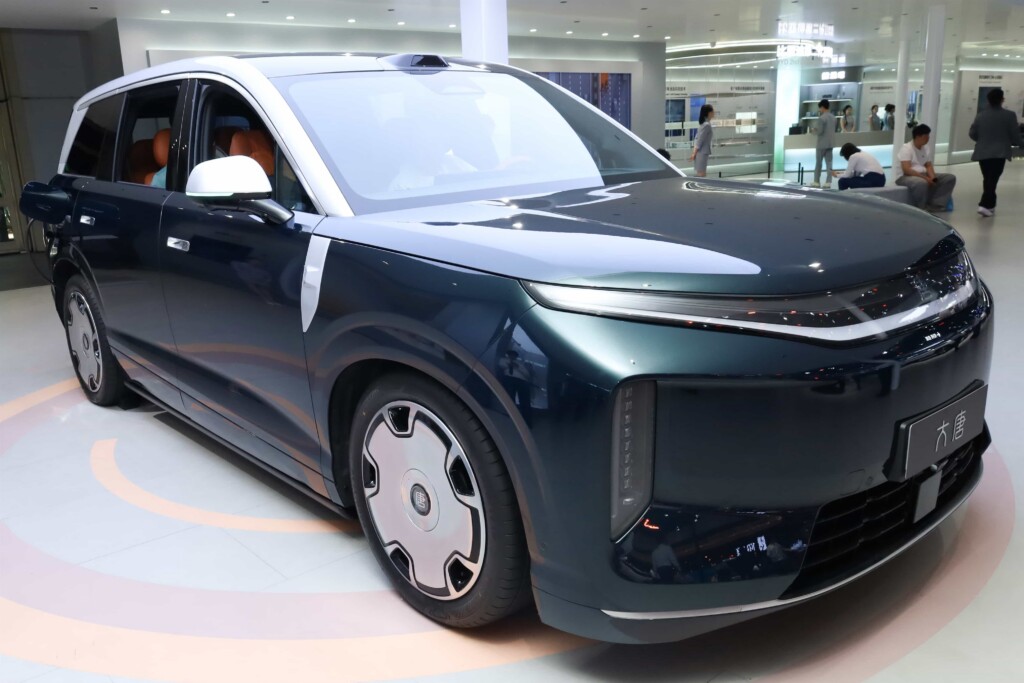
BYD’s Da Tang SUV, launched at the show, sits on a 1,000-volt architecture with support for one-megawatt DC charging, adding 200 kilometers of range in five minutes. Chery’s Volt-Dragon charging hub pushes that further still, with 1.2 megawatts of peak output per gun, 97.5 percent claimed system efficiency, and V2G capability for feeding energy back to the grid. These are not prototypes. They are shipping products with published pricing.
Higher up in CATL’s portfolio, the Qilin III NCM pack delivers 280 Wh/kg at the cell level, a 1,000-kilometer range, and a track-spec peak discharge of 3,000 kilowatts. Above that sits the Qilin Condensed Battery, a semi-solid-state design rated at 350 Wh/kg gravimetric and 760 Wh/L volumetric, the highest figures claimed for any mass-producible battery. Packed into an aviation-grade titanium alloy casing, it targets ultra-long-range luxury vehicles with ranges approaching 1,500 kilometers. Rounding out the lineup, the sodium-ion Naxtra chemistry aims at cold-climate and cost-sensitive markets, with mass production penciled in for Q4 2026.
Compare that to where things stood in 2024, when a 60-minute charge window was considered progress, and the scale of movement becomes hard to overstate.
Artificial Intelligence Becomes the Engine
Three years ago, ADAS was a checkbox on a spec sheet. In Beijing this spring, it was the headline product. Across booth after booth, Chinese OEMs announced or demonstrated Level 3 capable systems heading into production vehicles, and the software behind them has grown sophisticated in ways that deserve serious attention.
Changan’s announcement was one of the most significant: the company confirmed it had received China’s first official L3 autonomous driving license plate, allowing its vehicles to operate under supervised autonomy on public roads. The underlying SDA platform weaves together three functions, driving intelligence through SDA Pilot, physical vehicle control through SDA Chassis, and cabin interaction through SDA Cockpit. By the close of 2025, the system had logged over 256 million kilometers of real-world assisted driving and helped avoid more than 2.3 million collisions. Changan’s CAMOO in-cabin AI agent, running on a single-agent LLM architecture, is presented as the industry’s first always-on AI companion in this class.
Huawei’s Qiankun ADS 5.0 took a different and arguably more ambitious approach. Rather than building on conventional sensor-reaction logic, the system uses Vision-Language-Action driving, a framework in which the AI reasons about what it sees in real time using a foundation model before deciding how to act. Think of it less as a system following rules and more as one that understands context. The underlying WEWA 2.0 architecture splits processing between a cloud-side World Engine and a vehicle-side World Action Model, with Huawei claiming ten-fold to fifty-fold improvements in specific AI performance metrics over prior generations. The Spot-to-Spot 3.0 capability handles fully autonomous travel from parking space to parking space, including one-touch navigation to a charging bay. As of mid-April 2026, Qiankun had accumulated 10 billion kilometers of cumulative assisted driving across its installed base. That is a dataset very few competitors can match.
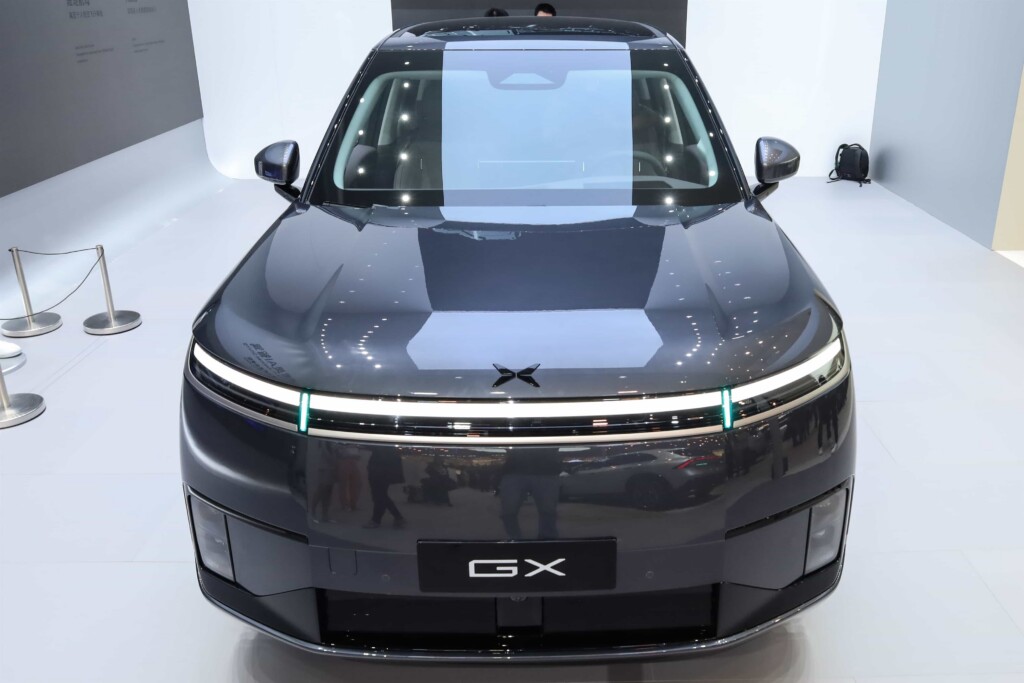
XPENG rebranded itself at the show as XPENG Group, signaling an ambition that goes beyond smart cars into what it calls Physical AI. Its VLA 2.0 foundation model processes visual input directly into driving actions without the intermediate translation layers that earlier systems required. The company’s in-house Turing chip delivers up to 2,250 TOPS per unit, and multi-chip vehicle configurations push available compute to 3,000 TOPS. XPENG also pulled the covers off the GX, a Level 4 robotaxi prototype built entirely on the VLA 2.0 stack.
Third-party AI driving software has matured in parallel. Momenta’s R7 model uses reinforcement learning to understand not just where objects are but how they will move, a distinction that matters enormously in complex urban traffic. QCraft’s Chengfeng tier goes from AIR, a highway NOA system running on roughly 80 TOPS, up through PRO for city navigation and on to MAX for advanced urban driving requiring over 500 TOPS of compute. These are modular, off-the-shelf platforms any OEM can integrate. That is exactly how intelligent driving features spread from flagship vehicles down to mass-market models at speed.
The Domestic Chip Imperative
One of the quieter but more strategically consequential stories at the 2026 show was playing out in the technology and supplier halls. China is building its own automotive chips, and they are no longer experimental.
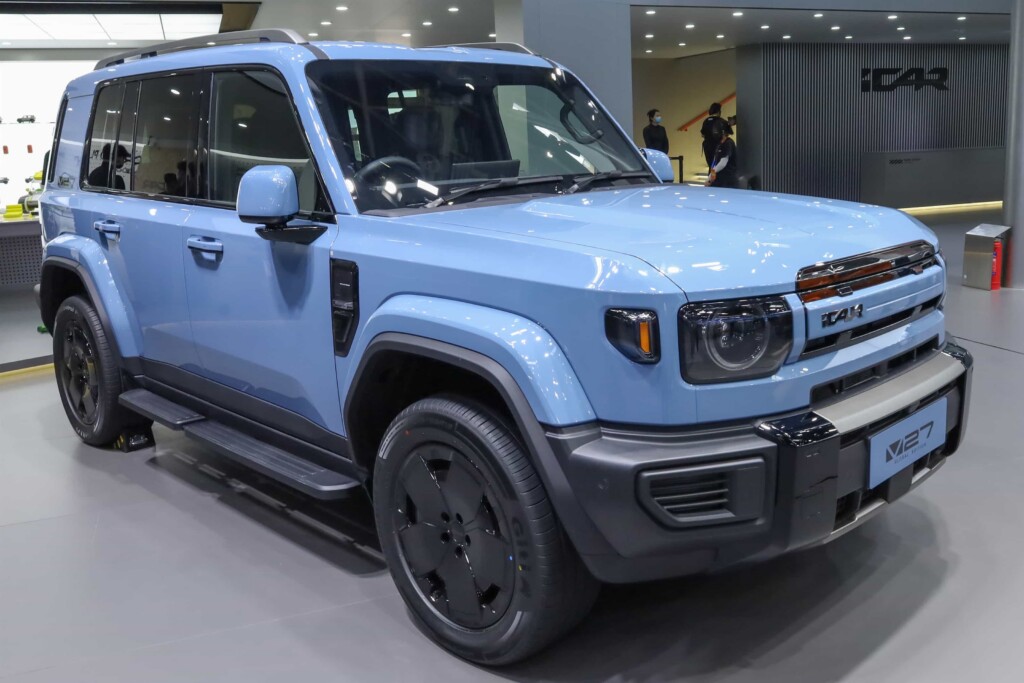
Horizon Robotics led the conversation with its BDipper platform and STARRY architecture, a 5nm chip rated at 650 TOPS that handles both autonomous driving and cockpit AI on a single die. The engineering insight at its core is simple but powerful: instead of two domain controllers that must communicate constantly, one chip handles both jobs with physical isolation ensuring that a cockpit software crash never touches the driving system. Horizon put the hardware saving at between 1,500 and 4,000 yuan per vehicle. More than ten automakers, including BYD, Chery, Volkswagen, and Changan, have signed letters of intent. First production vehicles from Chery’s iCAR brand are expected in the third quarter of 2026.
Black Sesame Technologies showed the progression from its 2022 Huashan A1000 chip, designed for L2 and L3 driving, to the cross-domain Wudang C1200 series, which folds smart driving and cockpit functions onto a single piece of silicon. Siengine presented a 7nm AI accelerator chip certified to ASIL-B, with 96 TOPS of NPU performance, built specifically to offload multimodal AI workloads from the main vehicle SoC. FAW and ZTE co-developed the SoC A1, which the two companies describe as the ultimate computing form of intelligent vehicle architecture, supporting ASIL-D safety, LPDDR5X memory, and PCIe 5.0 connectivity.
The trajectory is clear. Three years ago, Chinese automotive electronics ran almost entirely on NVIDIA and Qualcomm silicon. Today, a growing share of production vehicles is designed around domestic chips with comparable performance, full automotive safety certification, and deeply integrated local software ecosystems. The 2026 show was the point at which that transition moved from ambition to fact.
Chassis Technology: The Physical Intelligence Layer
Amid all the software announcements, it would be easy to overlook what was happening at the hardware level. It should not be overlooked. The shift to software-defined vehicles requires that every mechanical system capable of being replaced by a wire-controlled actuator actually be replaced, and Chinese OEMs are moving through that checklist at pace.
BYD’s DiSus-Z system is one of the more striking examples. It replaces traditional hydraulic shock absorbers with four independent three-phase linear electromagnetic motors, one at each corner of the car. Sensors scan the road roughly half a second ahead, and the system responds up to 1,000 times per second with a reaction time between five and ten milliseconds. More interestingly, the system is regenerative: energy recovered from suspension movement flows back into the 800-volt battery. The Yangwang U7 flagship sedan uses DiSus-Z for on-road performance, the Yangwang U8 uses DiSus-P hydraulic active suspension for off-road scenarios, and the Denza series uses DiSus-A air suspension for balanced everyday comfort.
NIO’s ES9 takes a different route to similar ends. Its Sky Ride system, sourced from Clear Motion, uses electrohydraulic actuators to adjust stiffness, damping, and ride height in under one millisecond while processing thousands of corrections per second. NIO demonstrated it synchronizing with in-cabin film content, adjusting the car’s physical attitude to match on-screen motion. It markets this as a 5D cinema experience. Whether or not that sells seats, the underlying engineering is genuinely impressive.
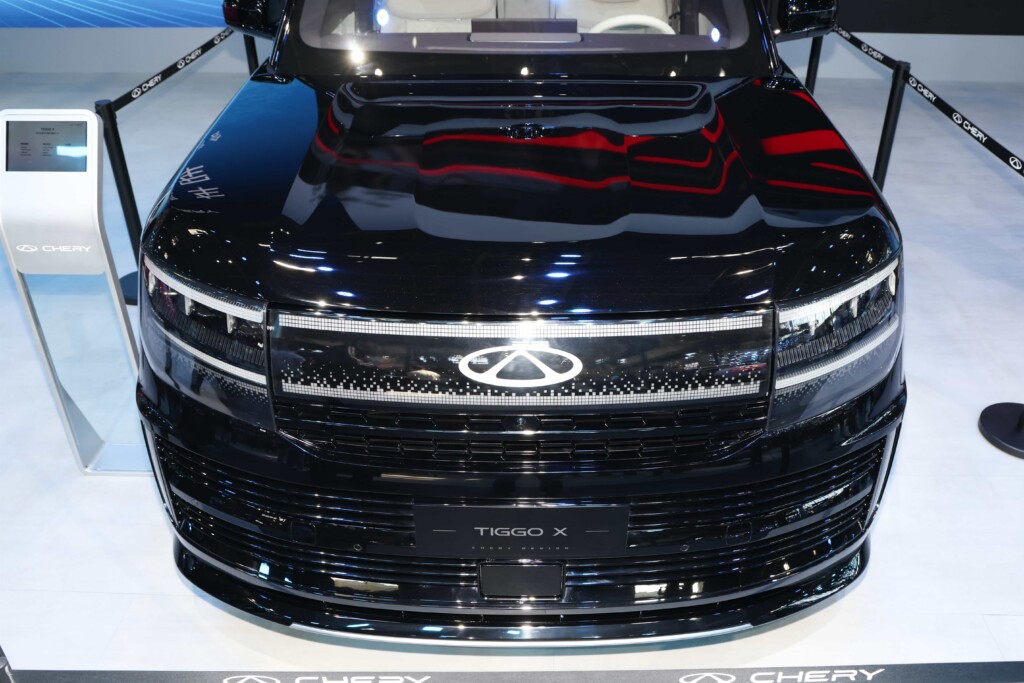
Nexteer’s MotionIQ suite, covering steer-by-wire, electromechanical braking, and rear-wheel steering, represents the supplier perspective on the same transition. Chery’s Feiyu Digital Intelligent Chassis goes further still, integrating steer-by-wire, brake-by-wire, a hub motor, electromagnetic adaptive suspension, and active suspension into a single four-in-one unit. The result is zero-radius turning, lateral crab motion at speed, and a moose test performance exceeding 90 km/h. A full-domain 48V system improves efficiency by 15 percent and meets ASIL-D safety standards. The fact that Chery is bringing this to mainstream-segment vehicles is significant.
The Vehicle Launches: Technology in Production Form
With sedans, SUVs, wagons, and performance vehicles on offer from roughly $12,000 to well over $80,000, the sheer volume and range of the 2026 launch slate was extraordinary by any historical comparison.
BMW’s iX3 50L xDrive was among the most telling arrivals. Built on the new Neue Klasse architecture, the long-wheelbase variant stretches the standard wheelbase by 108 millimeters, dedicating every millimeter of that extension to rear passenger space. Seats recline to 121 degrees. The battery is a 108.7 kWh Gen6 round-cell NMC unit good for over 900 kilometers on the CLTC cycle. Perhaps most revealing, the infotainment stack is deeply localized: Huawei HarmonyOS Next, Alibaba AI models, and Amap 3D HD mapping are baked in at the platform level. BMW did not offer China a global product with local software bolted on. It built a China product from the start. That strategic choice speaks volumes about how seriously the company reads the competitive environment.
BYD dominated the floor with multiple launches. The Da Tang is a 5.3-meter, seven-seat SUV on the 1,000-volt Super e-Platform, delivering one-megawatt flash charging, up to 1,000 horsepower from its tri-motor setup, rear-wheel steering for a turning radius that belies its size, and a roof-mounted LiDAR suite for Level 2+ autonomous navigation. It starts at around $34,400 for the PHEV version. For reference, a comparably specified European luxury SUV costs two to three times that figure. The Fang Cheng Bao Formula SL, also from the BYD family, produces approximately 1,000 horsepower from a triple-motor AWD configuration, rides on DiSus-M magnetorheological suspension, and starts at $62,000.
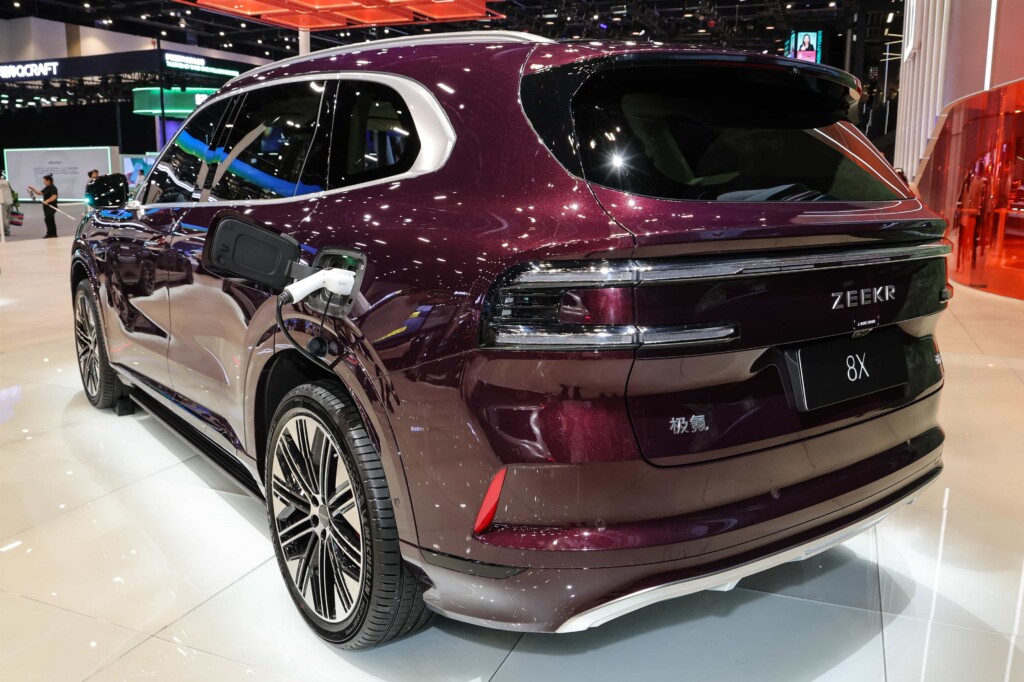
GAC’s Aistaland GT7 is another vehicle worth singling out. Co-developed on a GAC-Huawei intelligent architecture, it packs a 896-line LiDAR sensor, Huawei XMC smart chassis, megapixel road-projection headlights, and 6C ultra-fast charging in a shooting-brake body, priced from $43,500. ZEEKR’s 8X and Xiaomi’s YU7 GT rounded out a pattern that is now consistent across the market: Chinese brands are delivering technology densities at price points that their European counterparts structurally cannot match in the near term.
Strategic Implications and What Was Missing
Beyond the products, several broader dynamics at the 2026 show will shape the industry for years ahead.
The supply chain is reorganizing around technology rather than components. For the first time at a major auto show, chipmakers including Horizon Robotics and Black Sesame, battery companies like CATL, and AI software providers such as Momenta, QCraft, and ByteDance’s Volcano Engine occupied primary exhibition floor space alongside the automakers themselves. The traditional supplier hierarchy is being replaced by something flatter and more collaborative, where technology providers are full partners in the value chain rather than vendors filling purchase orders. And increasingly, those technology providers are Chinese.
The premium-for-less dynamic, which was a niche observation two years ago, is now the central competitive fact of the China market. The Zeekr 8X, the FCB Formula SL, the Da Tang, and the Aistaland GT7 are production vehicles with announced pricing that systematically undercut European luxury benchmarks while meeting or exceeding them on specification. BMW is adapting, as the iX3 50L demonstrates. Other Western brands that have not moved with similar urgency face a narrowing window.
The notable absences were as instructive as the launches. Tesla, Jaguar Land Rover, and Maserati did not participate. Tesla’s absence drew particular attention. The company that effectively invented the software-defined premium vehicle concept a decade ago sat out a show where Chinese competitors unveiled cars with 3,000 TOPS of on-board compute, megawatt charging architectures, and operating systems that span the phone, the home, and the vehicle in a single continuous experience.
Auto China 2026 was not a motor show. It was a technology conference where the products happened to have four wheels. The center of gravity for intelligent mobility innovation is now clearly in China, and the data, the chips, the batteries, and the software ecosystems confirm it.
Key Takeaways: What Auto China 2026 Confirmed
Several clear conclusions emerge from the full body of announcements and launches at the show.
Sub-10-minute EV flash charging has crossed from roadmap to reality. With 15C battery chemistry and one-megawatt-plus DC charging infrastructure now in production vehicles, replenishing an electric car is approaching gasoline refueling in elapsed time. The most durable consumer objection to EV adoption has been technically resolved, and the infrastructure to support it is scaling.
The software-defined vehicle transition is accelerating beyond return. Purchase decisions in China are being driven more by AI driving software quality and digital ecosystem depth than by traditional mechanical attributes. That shift will fundamentally change how vehicles are developed, priced, serviced, and upgraded across their lifetimes, and it will redistribute the value that historically accrued to the OEM.
Domestic chip development is reshaping the electronics supply chain. Chinese automakers and semiconductor companies are building their own automotive SoCs, consolidating autopilot, infotainment, gateway, and vehicle control into unified architectures. The dependence on foreign silicon that characterized the industry just three years ago is being systematically unwound, with mass production contracts already in place.
Vehicles are becoming AI terminals in a broader physical ecosystem. The convergence of smartphones, smart homes, cloud platforms, humanoid robotics, and embodied AI is visible not in concept studies but in production vehicles and confirmed roadmaps. The companies controlling the operating system layer of this network are accumulating advantages that will compound.
Finally, the depth of collaboration across the value chain has shifted qualitatively. OEMs, Tier 1 suppliers, semiconductor firms, battery makers, and AI startups shared exhibition halls in a way that has not been seen at prior shows. The adversarial procurement model is giving way to joint development and shared platforms, which will accelerate the pace of innovation further still.
The following table captures the specific innovations that defined the show and the production vehicles leading each one:
| Innovation | Vehicles Leading It |
|---|---|
| Megawatt / flash charging (<10 min) | BYD Da Tang, Yuan Plus Evo, GAC Aistaland GT 7 |
| VLA / Physical AI driving | XPENG GX, GAC Aistaland GT 7 (Huawei ADS 5.0) |
| Active electromagnetic / electrohydraulic suspension | NIO ES9, Fang Cheng Bao Formula SL, BYD Da Tang |
| 3,000+ TOPS proprietary compute | XPENG GX (Turing chips) |
| 896-line LiDAR | GAC Aistaland GT 7 |
| Steer-by-wire (production) | NIO ES9, Chery Tiggo X |
| Mega-pixel road projection lighting | GAC Aistaland GT 7 (Huawei xPixel) |
| Western OEM ecosystem localization | BMW iX3 50L (HarmonyOS + Alibaba + Amap) |
Disclaimer
Disclaimer: This article is intended for general informational and editorial purposes only. The views, observations, and assessments expressed herein represent the analytical opinion of the author and do not constitute legal, financial, investment, or professional advice of any kind. The information is derived from publicly available sources, trade show materials, and proprietary research as of the date of publication and is subject to change without notice. While reasonable care has been taken to ensure accuracy, no representation or warranty, express or implied, is made regarding the completeness, reliability, or fitness for any particular purpose of the content contained herein. Readers should not act or refrain from acting on the basis of this article without first seeking independent professional advice appropriate to their specific circumstances. Caresoft Global assumes no liability for any direct, indirect, or consequential loss arising from the use of or reliance on this material.
Related Insights

Thinking
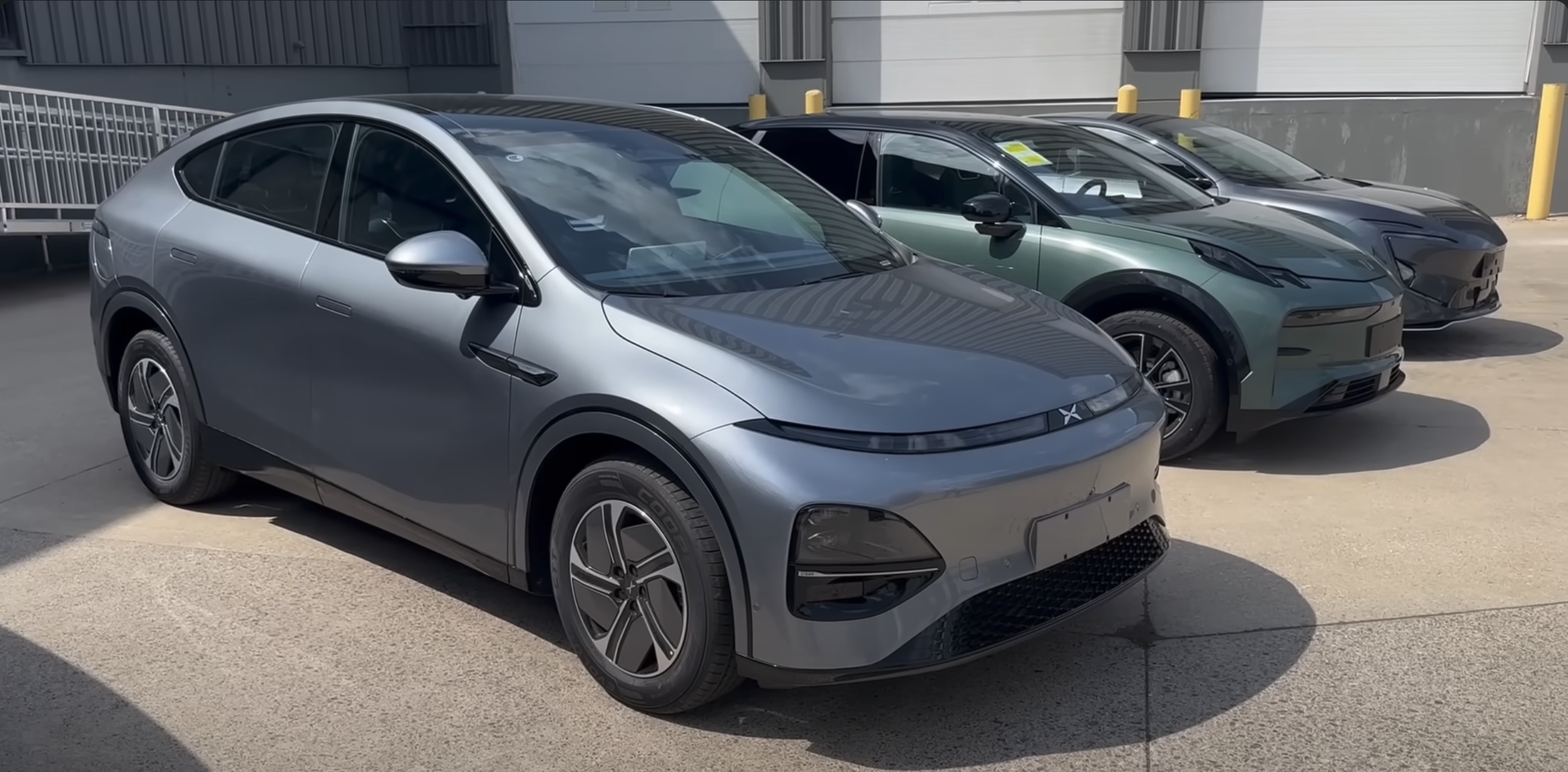
Reviewing 4 of China’s Top Electric Vehicles
Terry Woychowski (Caresoft Global’s President) and John...

Thinking
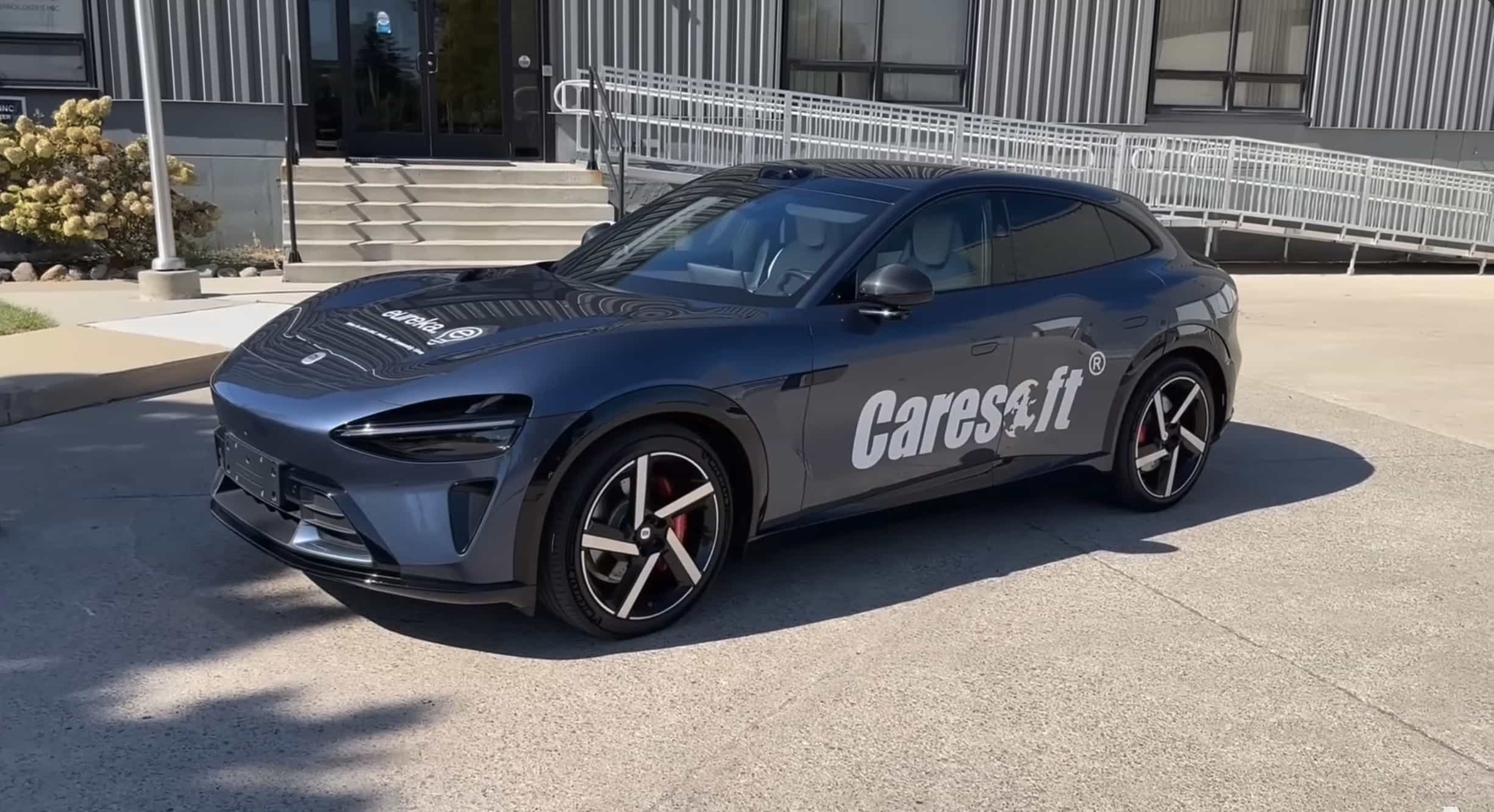
The Xiaomi YU7 Max: Technology, Design, and Impact
The assertion that a telecommunications company is...

Thinking
7 Key Takeaways From the Beijing Auto Show 2024
We’re back from the Beijing Auto Show 2024, which cemented...

Thinking
Webinar rewind: Evolving technology trends in electric mobility; insights from the Beijing Auto Show
The Rapid Evolution of Electric Mobility The global...
