The assertion that a telecommunications company is spearheading advancements in the automotive sector may initially elicit skepticism. However, Xiaomi, a brand recognized for its competitively priced smartphones, is now introducing electric vehicles that are commanding the attention of industry professionals.
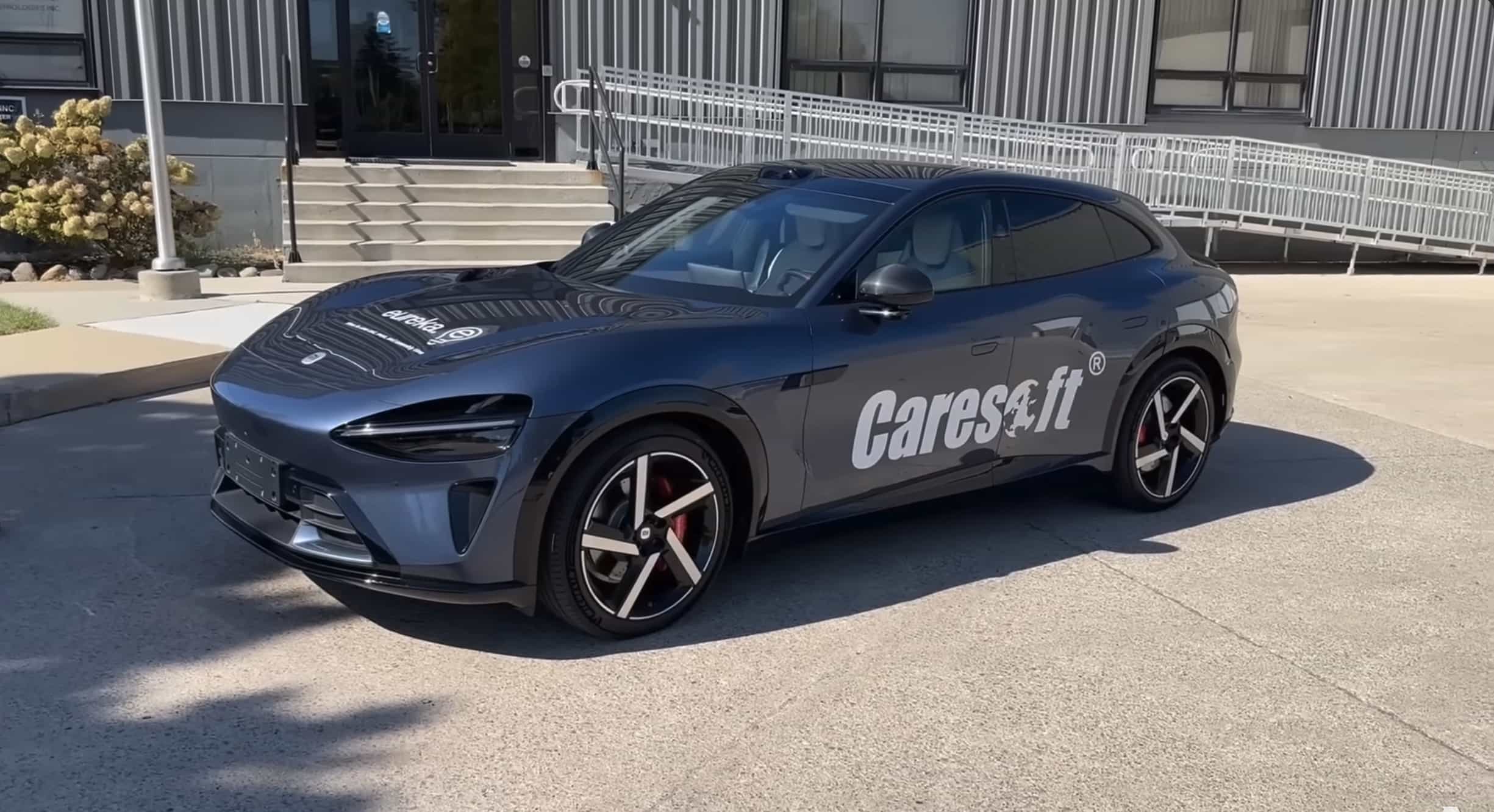
Terry Woychowski, President of Caresoft Global, and John McElroy of Autoline conducted a comprehensive evaluation of the Xiaomi YU7 Max in Detroit. Their assessment concludes that this vehicle represents more than an innovative electric offering; it serves as a clear indicator that Chinese manufacturers are positioned to fundamentally transform the global automotive landscape.
Transition from Telecommunications to Automotive Leadership: Xiaomi’s Strategic Execution
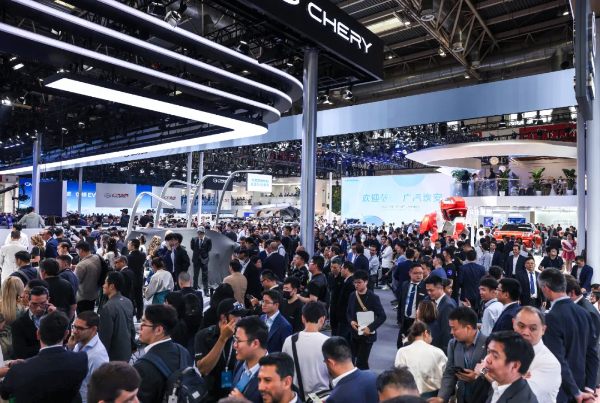
Xiaomi’s entry into the automotive market is recent. The company’s inaugural model, the SU7 sedan, generated substantial market interest upon its introduction in China. The subsequent YU7 Max, launched one year later, advances this foundation through superior performance, refined aesthetics, and sophisticated technological integration. At the IAA Mobility exhibition in Germany, the YU7 Max attracted greater visitor engagement than established European marques, underscoring its competitive positioning.
Design Excellence and Functional Precision
The YU7 Max incorporates design cues reminiscent of Porsche, including streamlined headlamps and fluid body contours. Beyond aesthetic influence, Xiaomi has implemented retractable door handles, carbon-fiber components, and flush aerodynamic elements to enhance visual appeal while reducing drag and preserving operational practicality.
Technical Specifications: Approximately 700 Horsepower and Advanced Systems
The YU7 Max delivers nearly 700 horsepower, all-wheel drive, adaptive air suspension, and an extensive array of digital interfaces. It features brake calipers styled in the manner of Brembo units and is equipped with high-performance Michelin tires to optimize both comfort and handling. Regenerative braking predominates, with mechanical intervention primarily reserved for sport-mode operation.
The interior constitutes a fully integrated digital environment, featuring a panoramic dashboard display, configurable interfaces, and an animated artificial-intelligence assistant. Robust mounting points enable the secure attachment of accessories, including programmable controls and device cradles. Electrically adjustable rear seating and an electrochromic panoramic roof further enhance functionality. Seamless Apple CarPlay integration ensures operational compatibility.
Performance Evaluation: Refined Dynamics and Configurable Modes
During testing on Detroit roadways, Terry Woychowski and John McElroy assessed the YU7 Max across multiple drive modes, including a novice setting for electric-vehicle initiates, economy, sport, and an enhanced “Sport Plus” configuration. The adaptive air suspension dynamically adjusts ride height, providing a distinctive yet occasionally pronounced response.
Benchmarked against the Tesla Model Y—a primary competitive reference—the YU7 Max exhibits greater mass and battery capacity while delivering exceptional acoustic isolation through laminated glazing and advanced engineering. Aerodynamic refinement renders wind noise negligible at 70 miles per hour.
Drive-mode selections modify synthesized powertrain acoustics, achieving a convincingly authentic auditory profile for an electric vehicle. Voice-command functionality remains limited to Mandarin, though the interface is otherwise intuitive. Domestic navigation integration is not yet available.
Engineering Integration: Efficiency, Cost Optimization, and Accelerated Development
Xiaomi’s engineering philosophy prioritizes systemic consolidation over component proliferation. By integrating eight electronic control units into five, the company reduced production costs, optimized interior packaging, and simplified assembly protocols. Core competencies in integration, velocity, and cost management distinguish Xiaomi from legacy manufacturers.
Additional innovations include enhanced battery enclosure integrity, MOSFET-based rear propulsion, and concealed climate-control outlets for precise airflow distribution.
Strategic Implications for the Industry
Following the evaluation, Terry Woychowski stated that he would acquire the vehicle without hesitation. Priced at approximately $46,000, the YU7 Max delivers premium technology and refinement at a value proposition significantly below that of the Tesla Model Y, while approaching the standards of luxury models such as the Lucid Air.
The defining narrative, however, is development velocity. Xiaomi advanced the YU7 Max from concept to market with unprecedented efficiency, unencumbered by the bureaucratic constraints that characterize established automakers. Having secured leadership in China, the company now targets European expansion—an ambition that is generating concern among incumbent competitors.
Conclusion
The YU7 Max merits recognition for its technical and design achievements. More significantly, its rapid development cycle—executed with the agility of a technology startup rather than a traditional conglomerate—challenges prevailing industry paradigms.
Chinese electric vehicles are no longer merely converging with global benchmarks; they are establishing new performance and efficiency standards. The YU7 Max signals that their market presence will expand considerably in the coming years.
More From the Series
Looking for more insightful videos like this one? Explore the rest of the series with Autoline.tv below:
- https://www.caresoftglobal.com/thinking/terry-woychowski-tesla-cybertruck-review
- https://www.caresoftglobal.com/thinking/worlds-first-tesla-cybertruck-teardown
- https://www.caresoftglobal.com/thinking/teslas-extraordinary-design-evolution
- https://www.caresoftglobal.com/thinking/reviewing-4-of-chinas-top-electric-vehicles
- https://www.caresoftglobal.com/thinking/the-evolution-of-teslas-body-structure
- https://www.caresoftglobal.com/thinking/reviewing-4-of-chinas-top-electric-vehicles
- https://www.caresoftglobal.com/thinking/deep-dive-into-teslas-48-volt-architecture
- https://www.caresoftglobal.com/thinking/first-drive-byd-shark-phev
Disclaimer:
The content provided on this blog is for informational purposes only and should not be construed as professional advice. While we strive to ensure the accuracy of the information presented, Caresoft Global makes no warranties, either express or implied, about the completeness, reliability, or accuracy of the content on this blog. Some information may be outdated, obsolete, or inaccurate, and we strongly recommend that you independently verify any information before relying on it. Any action you take based on the information provided on this blog is strictly at your own risk. Caresoft Global will not be liable for any losses or damages in connection with the use of our blog. Links to third-party websites are provided for convenience and informational purposes only; they do not constitute an endorsement or approval by Caresoft Global of any products, services, or opinions of the corporation, organization, or individual.